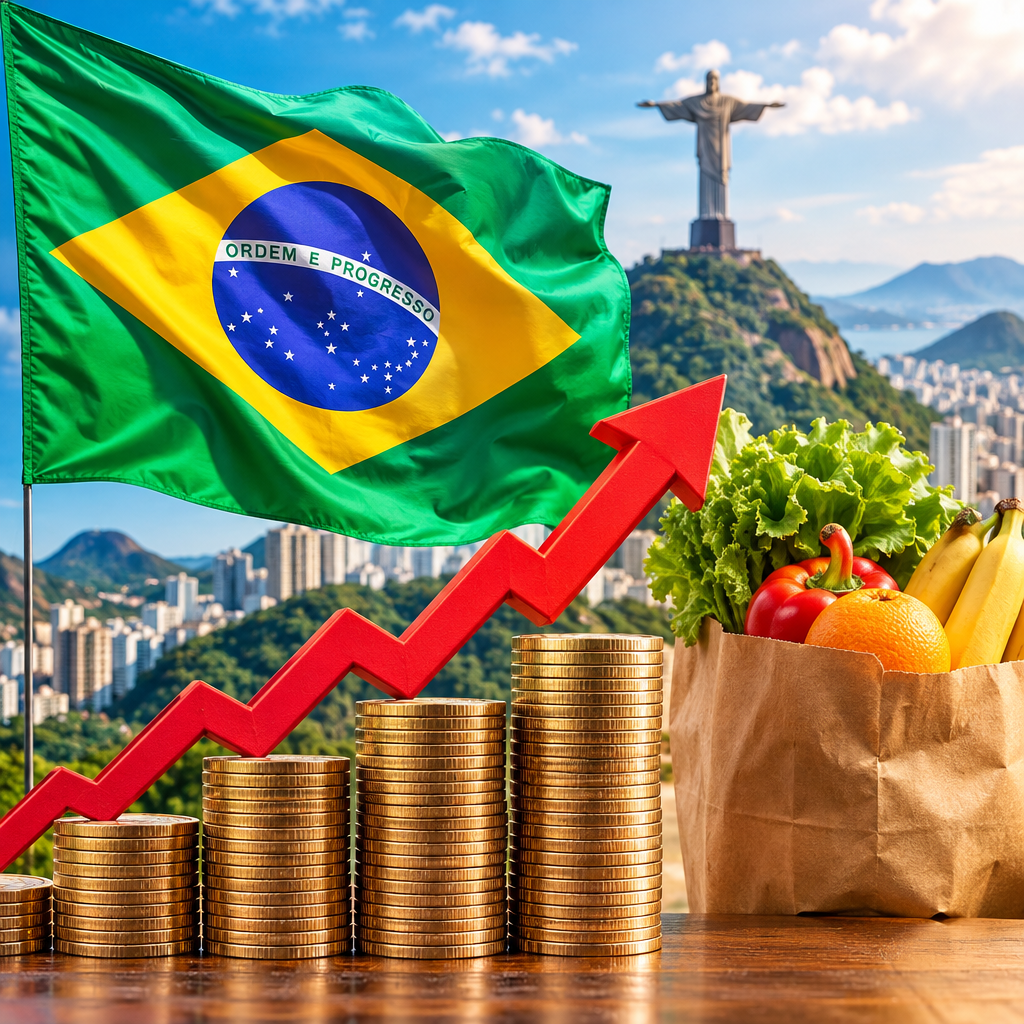
Inflation in Brazil 2026 — What Investors Need to Watch
Brazil’s inflation outlook for 2026 is likely to be defined less by a single headline print and more by whether the country can preserve a credible disinflation path. That distinction matters. In Brazil, inflation is never just a consumer-price story; it is also a story about central bank credibility, currency stability, fiscal discipline, and how quickly market expectations can change.
For investors, the key question is not simply whether inflation falls in 2026. It is whether inflation can decline and remain contained even if services stay sticky, the real weakens, or fiscal policy becomes less disciplined. Those forces are likely to determine whether Brazil’s disinflation trend holds or whether markets are forced to reprice risk.
The central bank remains the anchor
The Central Bank of Brazil will remain the most important force shaping inflation expectations in 2026. Markets will continue to scrutinize every Copom statement, minutes release, and policy signal for clues about how committed the bank is to keeping inflation anchored. If the central bank maintains a credible anti-inflation stance, that should help support the real and reduce the risk of a broader inflation reacceleration.
But credibility cuts both ways. If markets begin to suspect that policy is becoming too accommodative too soon, inflation expectations could drift higher. In Brazil, that matters quickly. Once expectations move, they influence wage negotiations, pricing behavior, and bond-market pricing long before the next CPI print appears.
Expectations may matter more than the data itself
One of the defining features of Brazil’s inflation regime is that expectations often move markets as much as the official inflation numbers. That means the Focus survey, business sentiment, and household inflation expectations will be closely watched throughout 2026. If those measures stay near target, the central bank has more room to guide policy gradually. If they drift higher, the pressure to maintain tighter conditions rises sharply.
This is why investors should not look only at the monthly IPCA release. They should also watch the forward-looking signals that shape how firms and consumers behave. In many cases, those expectations are what ultimately determine whether inflation becomes persistent or fades.
Services inflation is the sticky risk
If there is one domestic inflation risk that deserves the most attention in 2026, it is services inflation. Food and energy prices can be volatile, but services inflation tends to be harder to bring down because it reflects wages, domestic demand, and pricing power in labor-intensive parts of the economy.
That makes services inflation a key test of whether Brazil’s disinflation trend is durable. Even if headline inflation improves, sticky services inflation could keep the central bank cautious and delay the pace of rate cuts. For markets, that means higher-for-longer rates may persist longer than some investors expect.
The implications are broad. Consumer discretionary names, housing-linked sectors, and small-cap domestic businesses tend to be more vulnerable if policy remains restrictive. Financials can be relatively more resilient in that environment, especially if margins remain supported by higher rates.
The real remains a powerful inflation channel
Exchange-rate volatility is one of the most important transmission mechanisms for inflation in Brazil. A weaker real can quickly raise imported inflation, increase the cost of traded goods, and worsen expectations. That is why the BRL is more than just a currency market variable; it is a leading indicator of inflation pressure.
If the real weakens in 2026 because of global risk aversion, stronger U.S. dollar conditions, or local fiscal concerns, inflation can reprice quickly. In that scenario, the market would likely demand a higher risk premium on Brazilian assets, while the central bank may be forced to keep policy restrictive for longer.
A stable or stronger real, by contrast, could become one of the most important supports for disinflation. It would help reduce imported price pressure and reinforce confidence that the inflation path is under control.
Fiscal credibility could decide the market tone
Markets are also watching Brazil’s fiscal stance closely. A credible fiscal framework supports disinflation by reducing pressure on the currency, helping anchor expectations, and reassuring investors that monetary policy is not working against a loose budget backdrop.
The reverse is also true. If spending pressures rise, revenue disappoints, or policy appears inconsistent, investors may conclude that inflation risks are being pushed higher. That would likely show up first in bond yields, then in the real, and eventually in inflation expectations.
This is why fiscal credibility remains one of the most important hidden drivers of inflation in Brazil. It may not always dominate the daily news flow, but it can shape the macro backdrop in a way that has lasting consequences for asset prices.
Food and energy can still shock the path
Brazil’s CPI is still vulnerable to food and energy volatility. Weather disruptions, crop swings, fuel pricing changes, and commodity shocks can all create short-term inflation spikes that move markets quickly. Even if these shocks are temporary, they can alter expectations and complicate the central bank’s job.
For households, food inflation hits purchasing power directly. For investors, it can affect sentiment, pressure real wages, and renew concern that inflation is becoming harder to contain. Energy inflation can work through transport, logistics, and broader cost structures, reinforcing the effect.
These moves may not define the entire 2026 inflation picture, but they can absolutely shape the tone of the year.
What this means for investors
For markets, Brazil inflation in 2026 is likely to remain a cross-asset story. Bonds will react to changes in inflation expectations and policy credibility. The real will remain the key transmission channel. Equities will likely see sector rotation rather than a broad-based move, with banks and exporters potentially more resilient than rate-sensitive domestic names.
The most important indicators to watch are:
- inflation expectations
- services inflation
- BRL stability
- fiscal credibility
- central bank guidance
These are the variables most likely to drive market pricing in 2026.
Bottom line
Brazil’s inflation story in 2026 is best understood as a credibility test. If the central bank stays firm, fiscal policy remains disciplined, the real holds steady, and services inflation eases, then disinflation can remain gradual and credible. That would be constructive for local assets and supportive of investor confidence.
But if the real weakens, fiscal concerns rise, or services inflation stays stubbornly high, the market could quickly shift toward a more defensive posture. In that case, yields would likely rise, the currency could come under pressure, and domestic growth assets may struggle.
The key takeaway for investors is simple: Brazil inflation in 2026 is not just about whether prices rise or fall. It is about whether markets trust the policy mix enough to believe that inflation will stay under control.