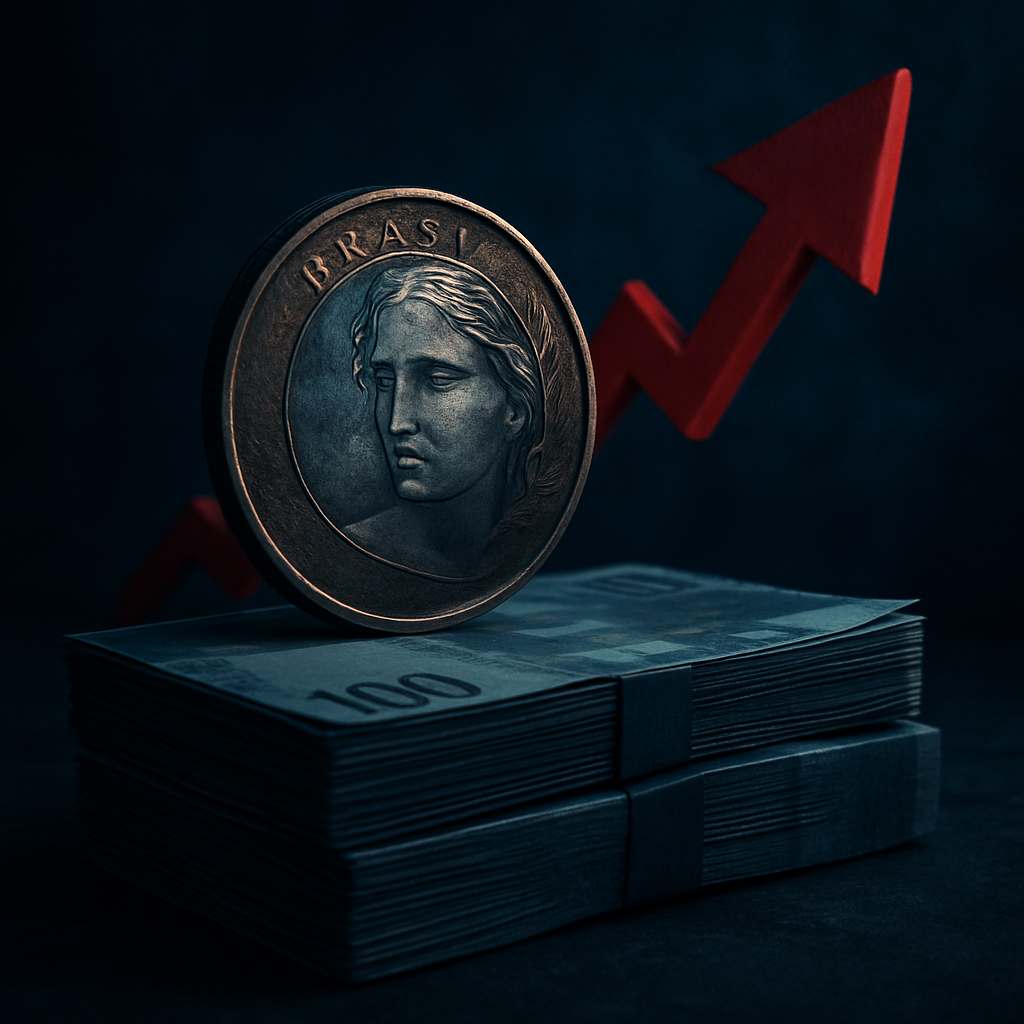
Understanding Inflation in Brazil: Insights for 2026
Inflation remains a critical concern for both policymakers and consumers in Brazil. As we look toward 2026, understanding the underlying factors driving inflation is paramount. The Brazilian economy is currently experiencing shifting dynamics influenced by various local and global trends. Projections suggest that inflation rates are expected to fluctuate, reflecting adjustments in fiscal policies, commodity prices, and external market pressures.
Current Trends Affecting Inflation
Several factors are impacting inflation in Brazil. One prominent driver is the instability in commodity prices, particularly oil and food. These commodities significantly affect the cost of living, as they are essential components of both production and consumer goods. In 2026, if global commodity prices continue to see sharp increases, we could witness a substantial rise in prices across various sectors, from groceries to transportation.
In addition, structural issues within the Brazilian economy, such as income inequality and unemployment rates, could exacerbate inflationary pressures. Policymakers need to focus on underlying economic reforms that enhance productivity and competition within markets. Without addressing these issues, Brazil may face prolonged inflation instability, complicating the recovery process for consumers and businesses alike.
Key Recommendations for Consumers
For individuals navigating through these uncertain financial waters, it is essential to remain proactive. Here are some actionable insights to help manage personal finances in light of the evolving inflation landscape:
-
Diversify Investments: As inflation erodes purchasing power, consider diversifying your investment portfolio across asset classes that traditionally perform well during inflationary periods, such as real estate, commodities, and inflation-linked bonds.
-
Monitor Spending Habits: Keeping an eye on your spending can help you identify areas where you can cut back. Prioritize essential purchases and look for alternatives for discretionary spending, especially on goods that are likely to increase in price.
By following these recommendations, consumers can empower themselves to make informed financial decisions and better mitigate the impacts of inflation.
Key Insights from Financial Analysts
Industry experts stress the importance of monitoring the Brazilian Central Bank’s policy decisions as they play a critical role in controlling inflation rates. The Bank’s interest rate adjustments can provide insights into future inflation trajectories, as higher rates typically aim to curb excess demand and ease price pressures.
Additionally, staying informed about international market trends can give consumers a competitive edge in their financial planning. As Brazil is a significant player in global exports, any shifts in worldwide demand or trade relations can directly influence domestic prices. Understanding these global interconnections can better prepare individuals for upcoming inflationary trends.
Conclusion
As we approach 2026, staying educated about inflation in Brazil is more important than ever. By understanding the economic landscape and armed with actionable insights, both consumers and businesses can navigate these challenges more effectively. Keeping track of key market indicators and maintaining prudent financial practices will be essential to thrive in an inflation-sensitive environment.