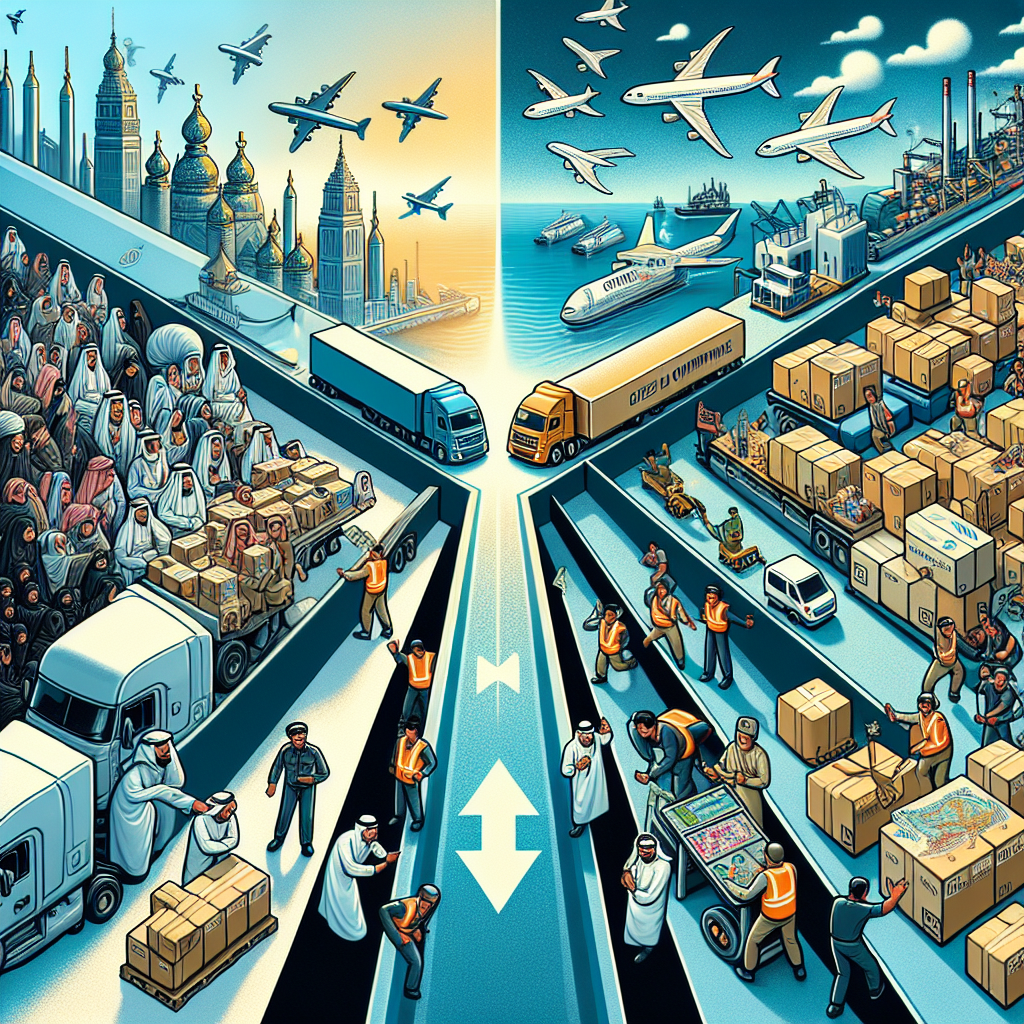
The Impact of Supply Chain Dislocations and the Opportunity for Manufacturers to Leverage Less Than Truckload (LTL) Shipping for Input Movements
Introduction
The contemporary supply chain landscape has faced significant challenges, severely influenced by dislocations from various global pressures, including economic slowdowns, inflation, and ongoing adjustments post-pandemic. These factors have reshaped logistics practices, particularly within the less-than-truckload (LTL) shipping sector. This blog explores the current state of the LTL market and the potential advantages it presents for manufacturers navigating supply chain disruptions.
Current State of the LTL Market
As of mid-2023, the LTL sector is experiencing a stark decline in demand due to a broader economic downturn, which has reduced overall shipments and purchasing power. However, pricing discipline among major LTL carriers has allowed them to maintain relatively stable prices despite decreased volumes.
-
Pricing Resilience: According to industry analysts, leaders in the LTL market are utilizing improved pricing discipline to mitigate the downturn in demand, resulting in consistent revenue per shipment. For instance, Yellow Corp has reported steady increases in LTL revenue per hundredweight, maintaining revenue growth despite a nearly 12% drop in tonnage.
-
Technology Integration: Innovations such as dimensional pricing are enabling carriers to manage capacities more effectively. As cited in a recent report from LinkedIn, technology allows for better adaptation to reduced demand without resorting to aggressive discounting, which historically diminished profitability.
-
Market Dynamics: The LTL market reflects a strategic shift where carriers prioritize yield over volume, resulting in positive outcomes even during slower periods. This shift has allowed for pricing stability and potentially nine consecutive quarters of year-on-year growth in rate per pound.
Supply Chain Dislocations
The disruptions caused by the pandemic have led to lasting impacts on the logistics process. Recovery from these disruptions remains slow and uncertain, challenging traditional methods manufacturers have relied upon for sourcing and logistics.
-
Economic Indicators: Ongoing inflation, as highlighted by recent reports, leads manufacturers to approach their freight and supply chain decisions with caution. This caution impacts their shipment and input movements significantly, reflecting a trend to minimize costs where possible.
-
Emerging Opportunities in LTL Shipping: The difficulties posed by economic uncertainties mean manufacturers should view LTL shipping as an avenue for opportunities. Significantly, LTL’s capability for smaller, more frequent shipments can optimize inventory management and lead to cost efficiencies.
-
Strategic Positioning of New Entrants: Market entrants like Knight-Swift Transportation are adding new terminals and capabilities, suggesting optimism that supports strategic expansions in the LTL sector. This indicates a belief in the ongoing necessity for diverse shipping strategies amidst supply chain uncertainties.
Conclusion
The current LTL landscape offers a unique combination of challenges and opportunities for manufacturers. By leveraging LTL shipping, companies can gain critical advantages in responsiveness, cost management, and operational efficiency. Investing in LTL capabilities may enable manufacturers to remain resilient against future economic fluctuations and supply chain disruptions.
Call to Action
Manufacturers are encouraged to reevaluate their B2B logistics strategies and consider incorporating LTL shipping into their supply chain discussions. This realignment can enhance operational alignment with market realities while unlocking potential growth opportunities.
Multimedia Elements
- Infographic: A visual representation showing the decline in LTL shipment volumes alongside pricing stability, demonstrating the resilience and opportunities within the industry.
- Data Visualization: Graphs showcasing trends in economic indicators, LTL pricing, and shipment volumes, illustrating the interplay between these factors and the outlook for manufacturers.
In this evolving landscape, adaptability will be key to successfully navigating and thriving amidst ongoing supply chain transformations and disruptions.