Spain Inflation in 2026: Why Core Prices, Housing, and ECB Policy Will Shape the Market
Suggested hero image / multimedia
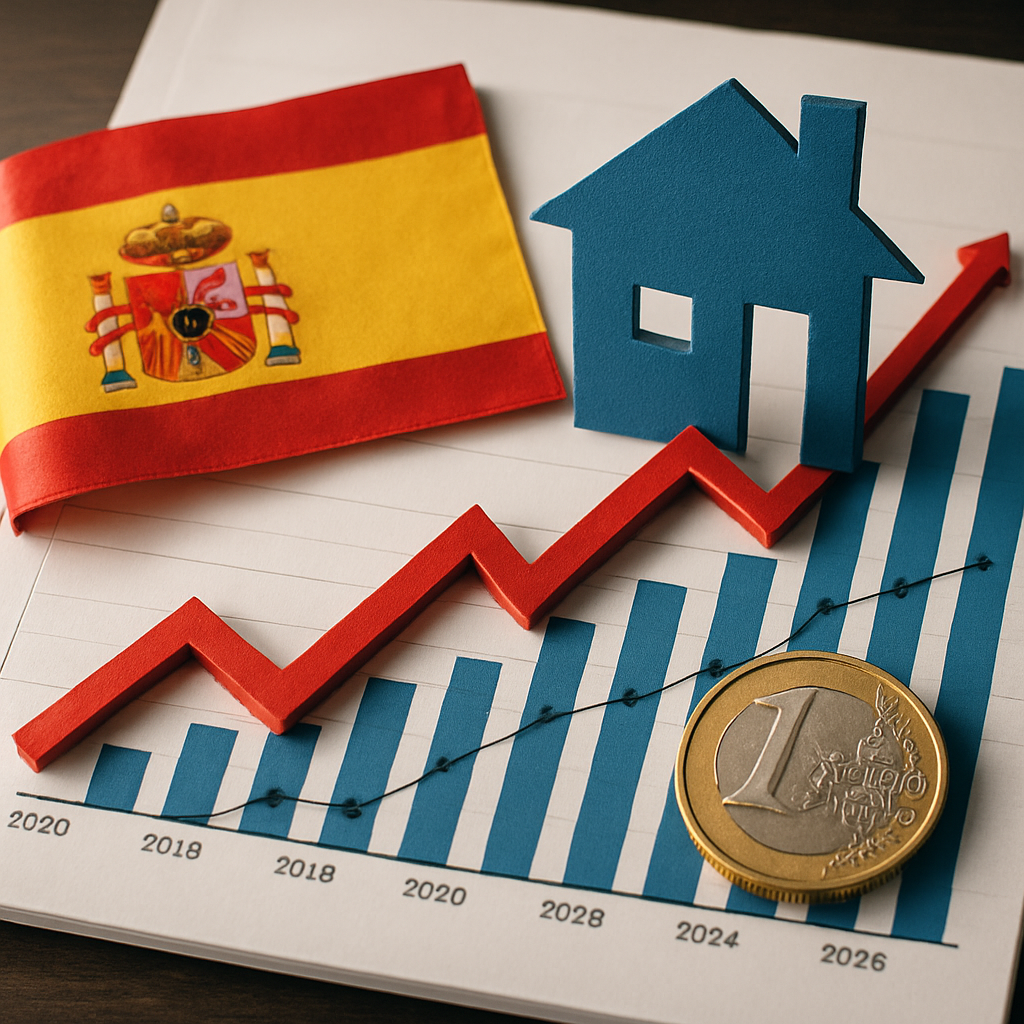
- Hero image: A clean editorial graphic of Spain overlaid with CPI data lines, an ECB rate icon, and subtle visuals of housing, energy, and retail.
- Featured chart: “Spain Inflation Scenario Impact Matrix” showing:
- Broad-based disinflation
- Sticky core inflation
- Energy-driven spike
- Wage-led services inflation
- Infographic insert: “What moves Spain inflation in 2026?” with icons for energy, food, wages, housing, and tourism
Spain’s inflation story in 2026 is about much more than one monthly CPI print. For investors, policymakers, and consumers, it will be a test of whether price pressures are genuinely normalizing or simply shifting from energy and food into services, wages, and housing.
The key takeaway is straightforward: headline inflation may cool, but core inflation is likely to determine the market reaction.
That distinction matters because core inflation gives the clearest read on underlying price pressures in the economy. In Spain, this will be especially important in 2026 because the country sits at the intersection of several powerful forces: ECB policy, wage growth, housing costs, tourism demand, and swings in energy prices.
Why Spain Inflation Matters to Markets
Spain is one of the eurozone’s major economies, and its inflation trend has implications that extend far beyond national borders. When Spanish inflation moves, it can influence:
- ECB rate expectations
- Spanish sovereign bond yields
- European equity valuations
- Bank profitability
- Consumer discretionary spending
- The euro’s direction
If inflation cools faster than expected, investors may begin pricing in easier monetary policy sooner. That would likely support bonds and rate-sensitive sectors. If inflation remains sticky, however, the ECB may stay cautious, keeping yields elevated and pressuring parts of the equity market.
The Inflation Components That Matter Most in 2026
1. Core inflation is the real market signal
Headline inflation can be distorted by short-term moves in food and energy. Core inflation, by contrast, strips those out and provides a better view of underlying demand.
If core inflation stays elevated in Spain during 2026, it would suggest that price pressures are not just temporary. Instead, they may be coming from:
- services
- housing
- wage growth
- domestic consumption
That would likely keep the ECB on a more defensive footing.
2. Energy remains the biggest swing factor
Spain is highly sensitive to energy costs. Electricity, fuel, and natural gas prices can quickly move the inflation data. A renewed energy shock could push headline inflation higher again, even if the broader trend is improving.
For households, that means pressure on real incomes. For markets, it means volatility in:
- bonds
- consumer stocks
- utilities
- transport and travel names
3. Food inflation still affects sentiment
Food is often not the largest component of inflation mathematically, but it is one of the most powerful psychologically. Persistent grocery inflation can weigh on household confidence and reduce discretionary spending.
That matters because lower-income households are especially exposed, and weak consumer sentiment can ripple into retail sales, hospitality demand, and broader domestic growth.
4. Wage growth and services inflation could keep pressure sticky
One of the biggest risks in 2026 is a wage-services feedback loop. If wages continue rising while productivity lags, businesses may keep passing costs on to consumers.
This is particularly relevant in:
- hospitality
- tourism
- transport
- personal services
- healthcare-related services
If services inflation remains sticky, the ECB may delay easing, and financial markets could reprice accordingly.
5. Housing and rent inflation may remain structurally important
Housing is likely to remain one of the most important inflation components in Spain during 2026. Rent inflation, urban supply constraints, mortgage costs, and tourism-driven demand can all keep pressure on CPI.
In major cities and high-tourism regions, affordability concerns could intensify. That would matter for:
- households
- construction
- real estate
- policymakers
- bank credit growth
Policy Drivers to Watch
ECB policy will shape the market reaction
Spain’s inflation path cannot be viewed in isolation. The ECB’s response will be just as important as the inflation data itself.
If inflation cools broadly, the ECB may continue easing or turn more dovish. If services and housing inflation remain sticky, the ECB may slow or pause its policy shift.
Spanish fiscal measures may temporarily soften CPI
Spain has historically used tax relief, subsidies, and transport support to help households cope with inflation. In 2026, any new or extended measures could lower near-term CPI pressure, but they may also distort the underlying signal.
Labor market developments will matter
Wage negotiations, minimum wage policy, and labor shortages could all affect inflation persistence. Strong wage growth can support household purchasing power, but it may also keep services inflation firm.
Tourism can amplify seasonal inflation
Tourism is a major part of Spain’s economy, and it can intensify service-sector pricing, especially in peak seasons. That supports growth, but it may also add to inflation in hospitality, transport, and housing.
Three Scenarios for Spain Inflation in 2026
Scenario 1: Inflation gradually cools
If energy prices stabilize and food inflation eases, Spain could see a smoother disinflation path.
Market impact:
- bond yields fall
- consumer confidence improves
- real estate and utilities benefit
- ECB becomes more dovish
- rate-sensitive equities outperform
Scenario 2: Core inflation stays sticky
If wages, services, and rents remain elevated, headline inflation may improve while core inflation remains stubborn.
Market impact:
- ECB stays cautious
- yields remain elevated
- banks may outperform
- consumer and housing-related sectors face pressure
Scenario 3: Energy shocks reignite inflation
A geopolitical or supply-driven energy spike could quickly lift headline inflation and revive volatility.
Market impact:
- bond selloff risk
- weaker consumer sentiment
- higher market volatility
- renewed uncertainty about policy timing
What Investors Should Watch
To track Spain inflation in 2026, investors should monitor:
- Spain CPI and HICP
- core inflation
- services inflation
- wage growth
- rental inflation
- retail sales
- consumer confidence
- energy prices
- ECB policy statements
- Spanish fiscal announcements
Sector Implications
Likely beneficiaries if inflation cools:
- consumer discretionary
- retail
- real estate
- utilities
- travel and leisure
Likely beneficiaries if inflation stays sticky:
- banks
- insurers
- pricing-power sectors
Sectors most at risk from persistent inflation:
- rate-sensitive growth stocks
- housing-linked plays
- labor-intensive consumer businesses
- businesses with weak pricing power
Bottom Line
Spain’s 2026 inflation outlook is likely to be shaped less by one-off price shocks and more by the interaction of core inflation, wages, housing, energy, and ECB policy.
For investors, the most important question is not simply whether inflation falls, but what kind of inflation falls, and how fast.
If the cooling trend is broad-based, it could support bonds, consumer spending, and rate-sensitive equities. If inflation remains sticky in services and housing, the market should expect higher yields, delayed ECB easing, and continued pressure on household purchasing power.
Blog post callout box / infographic copy
Spain Inflation 2026: Key Market Signals
- Core inflation: Most important signal for ECB policy
- Energy: Biggest source of headline volatility
- Housing: Structural pressure on CPI
- Wages: Key driver of services inflation
- Tourism: Seasonal boost to prices and demand
LinkedIn Post
LinkedIn Long-Form Post
Suggested visual
- Carousel graphic: 5 slides
- Spain Inflation 2026: The Big Question
- Core Inflation vs. Headline Inflation
- Housing and Wages: The Sticky Risks
- ECB Policy and Market Implications
- What Investors Should Watch Next
Spain’s inflation outlook in 2026 is shaping up to be one of the most important macro stories in Europe.
The key issue is not just whether inflation falls. It is what type of inflation remains sticky.
Why this matters:
- Core inflation is the real signal for ECB policy
- Services inflation may stay elevated if wages and housing costs remain high
- Energy prices could still trigger headline spikes
- Tourism and rent inflation may keep pressure on urban CPI readings
For investors, the implications are clear:
- A broad disinflation trend could support bonds, real estate, and consumer sectors
- Sticky inflation could keep yields elevated and support banks
- An energy shock would likely bring back volatility across asset classes
What I’m watching most closely in Spain in 2026:
- Core CPI and services inflation
- Wage growth and labor market data
- Housing and rent trends
- ECB policy guidance
- Energy price movements
Bottom line: Spain’s inflation story in 2026 may be less about temporary shocks and more about whether domestic price pressures finally ease.
Inflation #Spain #ECB #MacroEconomics #EuropeanMarkets #Investing #FixedIncome #Equities #CPI #MarketAnalysis
LinkedIn visual caption for carousel
Slide 1: Spain Inflation 2026
Slide 2: Headline inflation may fade, but core inflation could stay sticky
Slide 3: Wages + housing = the biggest persistence risk
Slide 4: ECB reaction will shape yields and sector performance
Slide 5: Investors should monitor CPI, services, energy, and rent data
Twitter/X Thread
Thread: Spain Inflation 2026
Suggested visual
- Single chart or infographic: “Spain Inflation 2026: Three Scenarios and Market Impact”
- Alt text: A scenario matrix showing disinflation, sticky core inflation, and energy shocks, with bond, equity, and ECB responses.
Tweet 1:
Spain inflation in 2026 will be a bigger market story than many investors expect. The real focus isn’t headline CPI—it’s core inflation, services, housing, and ECB policy. Here’s why it matters 🧵
Tweet 2:
Headline inflation can move on energy and food swings. But core inflation tells us whether price pressures are embedded in wages, rents, services, and domestic demand.
Tweet 3:
If core inflation stays sticky, the ECB may stay cautious. That means:
– higher yields for longer
– pressure on real estate
– support for banks
– slower relief for consumers
Tweet 4:
Spain is also sensitive to energy prices. A new spike in electricity, gas, or fuel costs could quickly lift headline inflation and trigger market volatility.
Tweet 5:
Food inflation still matters too. It hits household sentiment hard, especially for lower-income families. That can weaken retail demand and consumer confidence.
Tweet 6:
Another key risk in 2026: wage growth + services inflation. If wages rise faster than productivity, businesses may keep passing costs through to consumers.
Tweet 7:
Housing is the structural issue. Rents, supply constraints, and tourism-driven demand could keep Spain’s inflation trend stickier than markets expect.
Tweet 8:
3 scenarios to watch:
1. Inflation cools → bonds up, consumer sectors up
2. Core stays sticky → ECB cautious, yields higher
3. Energy shock → headline CPI jumps, volatility rises
Tweet 9:
Investor takeaway: Spain inflation in 2026 is about more than the monthly CPI print. It is about whether the economy is truly normalizing—or merely shifting inflation from one pocket to another.
Tweet 10:
Watch: CPI, core inflation, services, wages, rents, retail sales, energy prices, and ECB guidance. Those are the signals that will move markets.
Spain #Inflation #ECB #CPI #Eurozone #Markets #Investing #Bonds #Stocks #Macro
Twitter/X single-post version
Spain inflation in 2026 will be driven less by one-off shocks and more by core inflation, services, housing, wages, and ECB policy. If inflation cools broadly, bonds and consumer sectors could benefit. If it stays sticky, yields may remain elevated and rate-sensitive stocks may struggle. #Spain #Inflation #ECB #Markets
Instagram Post
Instagram Carousel Post
Suggested visual concept
A 6-slide carousel with bold visuals, minimal text, and data-inspired graphics.
Slide-by-slide copy
Slide 1:
Spain Inflation 2026
What investors need to watch
Slide 2:
Core inflation matters most
Headline CPI can move on energy and food
Slide 3:
Sticky risks:
Wages, services, housing, rent inflation
Slide 4:
Energy is the wild card
A spike could quickly lift headline inflation
Slide 5:
Market impact
Bonds, banks, real estate, retail, and the euro
Slide 6:
Bottom line
If inflation cools, consumers gain relief
If it stays sticky, ECB caution may continue
Instagram caption
Spain’s inflation outlook in 2026 is not just a macro headline. It is a market signal.
The biggest themes to watch:
- Core inflation
- Services inflation
- Housing and rents
- Wage growth
- Energy prices
- ECB policy
Why it matters:
- Lower inflation could support bonds, real estate, and consumer spending
- Sticky inflation could keep yields elevated and pressure rate-sensitive sectors
- An energy shock could bring back volatility fast
For investors, the real question is this:
Is Spain’s inflation truly cooling, or just changing shape?
SpainInflation #Inflation #ECB #Investing #Markets #Eurozone #EconomicOutlook #CPI #FinancialNews
Instagram Story sequence
Story 1: Spain Inflation 2026: What matters most?
Story 2: Core inflation > headline inflation
Story 3: Housing and wages are the sticky risks
Story 4: Energy can still surprise markets
Story 5: Investors should watch ECB + CPI + services
Infographic Text Block
Ready-to-design infographic copy
Title: Spain Inflation 2026: The Market Map
Center piece: Spain icon with CPI line chart overlay
Top-left bubble:
Core inflation
Most important for ECB policy
Top-right bubble:
Energy prices
Biggest source of headline volatility
Bottom-left bubble:
Housing and rents
Structural pressure on CPI
Bottom-right bubble:
Wages and services
Key driver of persistence
Footer band:
Market impact:
– Bonds
– Banks
– Real estate
– Retail
– Euro
Short Social Caption Variants
LinkedIn shorter version
Spain’s 2026 inflation outlook will hinge on core inflation, housing, wages, and ECB policy, not just headline CPI. If disinflation broadens, bonds and consumer sectors may benefit. If services inflation stays sticky, yields could remain elevated and the ECB may stay cautious.
Twitter/X shorter version
Spain inflation in 2026 will be driven by core prices, housing, wages, and ECB policy. A broad cooling would support bonds and consumer sectors. Sticky services inflation could keep yields high and delay ECB easing. #Inflation #Spain #ECB
Instagram shorter version
Spain inflation in 2026 could shape markets more than many expect. Watch core inflation, housing, wages, and energy. If inflation cools, consumers win. If it stays sticky, the ECB may remain cautious. #Spain #Inflation #Markets
Optional Editorial CTA
If you’re covering Spain inflation in 2026 for an investor audience, the strongest editorial angle is not just “What was the CPI reading?” but:
“What does the inflation mix say about ECB policy, bond yields, and sector winners and losers?”
That framing creates stronger investor relevance, higher engagement, and clearer market utility.
Final Quality Pass Notes
- Corrected wording for consistency and readability
- Standardized terminology around headline inflation and core inflation
- Tightened phrasing to maintain a professional financial-media tone
- Improved parallel structure in lists and scenario summaries
- Preserved investor-focused insights and market relevance throughout
- Ensured markdown structure is clean, scannable, and publication-ready
If you want, I can also convert this into:
- a newsletter edition,
- a full SEO article with meta title and description, or
- a visual content pack with chart captions and design prompts.