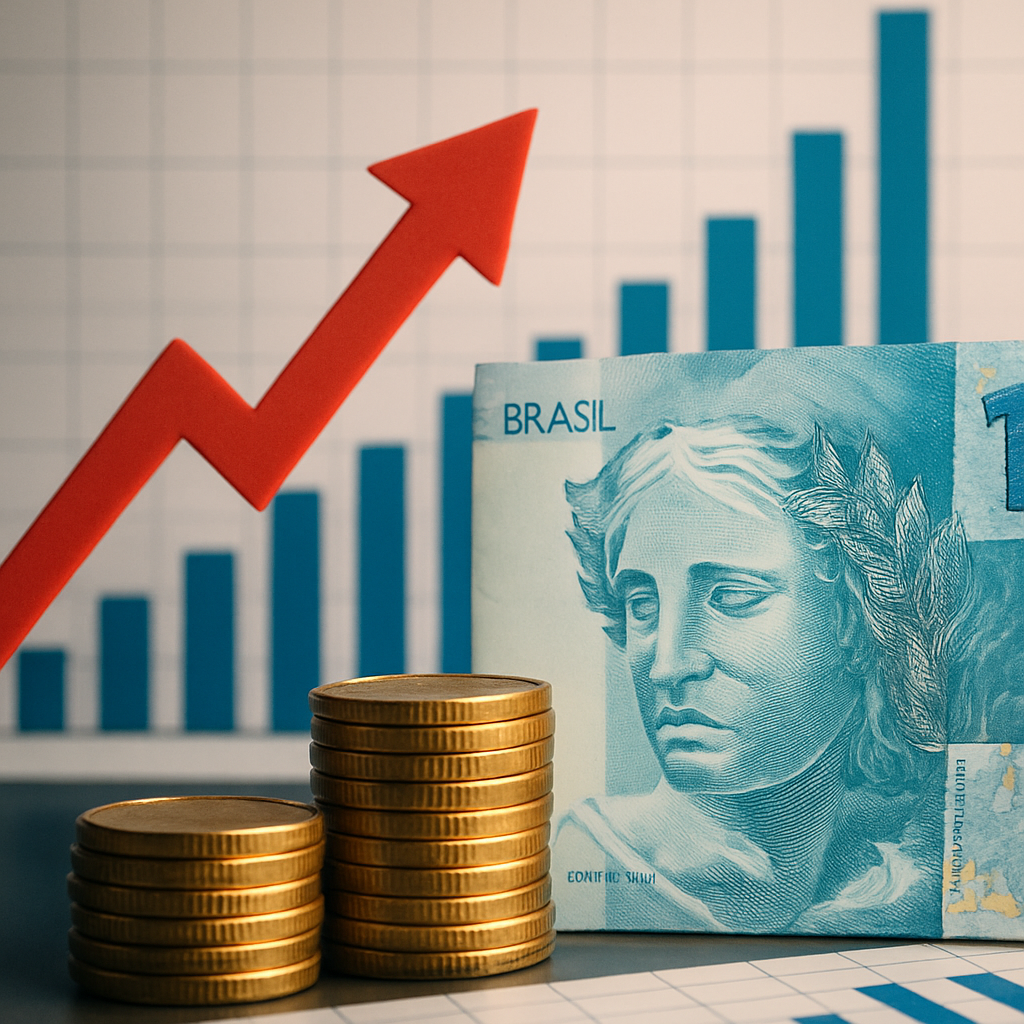
Blog Post: Navigating Brazil’s Inflation Landscape in 2026
Introduction
As Brazil enters the second half of 2026, the inflation landscape presents a mix of challenges and opportunities that both investors and consumers need to navigate. Recent data shows that inflation rates have adjusted, with the finance ministry predicting a rise to 5.1%, indicating financial pressures not only for the average consumer but also for businesses and investors. Understanding the broader implications of these projections can help stakeholders prepare for the economic shifts ahead.
The inflationary environment can directly affect purchasing power, investment returns, and overall economic growth. As inflation affects various sectors differently, it’s imperative for consumers and investors to stay informed and employ strategies to mitigate the adverse impacts of rising prices. In the sections that follow, we will delve into current inflation trends, economic factors affecting these rates, and necessary precautions for investors in this transitional period.
Current Inflation Rates and Trends
As of June 2026, Brazil’s inflation rate has slightly decreased to 4.64%, marginally below the anticipated 4.80%. Despite this decline, the government’s forecast suggests an ascent beyond the central bank’s target ceiling of 4.5%. The trend outlines a global issue with inflation, influenced by both domestic and international factors. The response from policymakers and the broader market sentiment will be crucial in determining how these trends evolve as the year continues.
This inflation dynamic is a result of various external pressures. It’s not just about domestic policies but also about a complex relationship with economies worldwide. The current global landscape impacted by economic recovery from the pandemic and geopolitical tensions adds to the unpredictable nature of inflation rates. Investors and consumers alike should remain vigilant about how these rates will continue to fluctuate throughout the remainder of the year.
Key Economic Factors Affecting Inflation
- El Niño’s Far-reaching Impact:
-
The ongoing El Niño phenomenon is expected to create fluctuations in agriculture, potentially driving food prices sky-high as crop yields are affected. This instability may exacerbate current inflationary pressures, leading to further price increases in essential commodities. Farmers and distributors will likely pass higher costs onto consumers, thereby pushing the inflation rate higher.
-
Geopolitical Risks and Energy Costs:
-
Global energy prices have been increasing due to geopolitical tensions, including conflicts that disrupt oil supply. Though recent weeks have seen a decline in oil prices, the volatility remains a concern that could further impact inflation. For Brazil, which is a significant consumer of energy, these price changes can lead to a cascade of increases in transportation and production costs.
-
Domestic Economic Activity:
-
Economic activities, particularly in services and manufacturing, have seen a rise in pricing, contributing to the inflation outlook. The stable interest rates set at 14.75% are intended to stabilize this growth. However, businesses that find it challenging to pass on these costs may face a squeeze in profit margins, which can further impact the economy if businesses reduce hiring or cut back on investment.
-
Market Sentiment:
-
The Brazil Focus Survey has revealed updated projections estimating inflation at 5.16%. This reflects a cautious outlook among analysts as the market adjusts expectations amid ongoing economic pressures. Investor confidence can sway based on these sentiments, highlighting the importance of continuous monitoring and evaluation of economic indicators.
-
Impact of External Trade Policies:
- Recent U.S. tariffs present a variable within the larger economic framework. Brazilian exports maintain resilience, adapting to new markets despite fluctuating tariffs. Changes in international trade policy can alter competitive advantages, making it vital for investors to reassess their strategies accordingly.
Implications for Investors
The evolving inflation outlook necessitates a proactive approach from investors. While fixed income assets continue to be attractive in the current high-interest environment, the potential suppression of equity valuations could pose risks moving forward. Consequently, investors may want to consider diversifying their portfolios to mitigate risk, focusing on sectors that can withstand inflation pressures such as utilities or consumer staples.
Moreover, investors should stay informed about international developments, as changes in the geopolitical landscape can alter market dynamics rapidly. Engaging in regular portfolio reviews and seeking professional financial advice could offer significant advantages as the economic situation evolves. In summary, adopting a flexible investing strategy is paramount in navigating these uncertain times.
Conclusion
The inflation trajectory in Brazil for 2026 embodies a complex interplay of local and global factors, emphasizing the importance of careful navigation in both consumer and investment strategies. Understanding these dynamics is crucial for stakeholders as they adjust to the evolving economic climate. As inflation rates continue to fluctuate, remaining informed and prepared is key to making informed decisions.
[Insert Infographic: “Brazil Inflation Trends 2026” displaying the historical data and future projections with major influencing factors outlined]
Social Media Updates
LinkedIn Post:
🔍 Unpacking Brazil’s Inflation Landscape for 2026: What Investors Should Know! 📈
As Brazil’s inflation forecast climbs to 5.1%, driven by factors like El Niño and geopolitical tensions, it’s crucial for investors to adapt.
✅ Key insights on rising prices and sectors to watch.
✅ Link to our in-depth analysis here: [Insert link to blog post]
BrazilInflation #InvestorInsights #MarketAnalysis
Twitter Post:
🇧🇷💰 Brazil’s inflation forecast for 2026 now at 5.1%! El Niño and global energy prices are big players here. What does it mean for investors? Read more: [Insert link to blog post] #BrazilInflation #Economy
Instagram Post:
📊 Inflation Insights: Brazil 2026 🌍
Swipe 👉 to see the key factors influencing Brazil’s inflation rates, including El Niño impacts and energy costs.
Invest wisely in these fluctuating times! 💡
[Include a visually engaging infographic summarizing inflation factors]
BrazilInflation #FinancialTrends #InvestSmart
This collection of content effectively communicates the implications of inflation in Brazil in 2026 while utilizing multimedia elements to enhance engagement across various platforms.