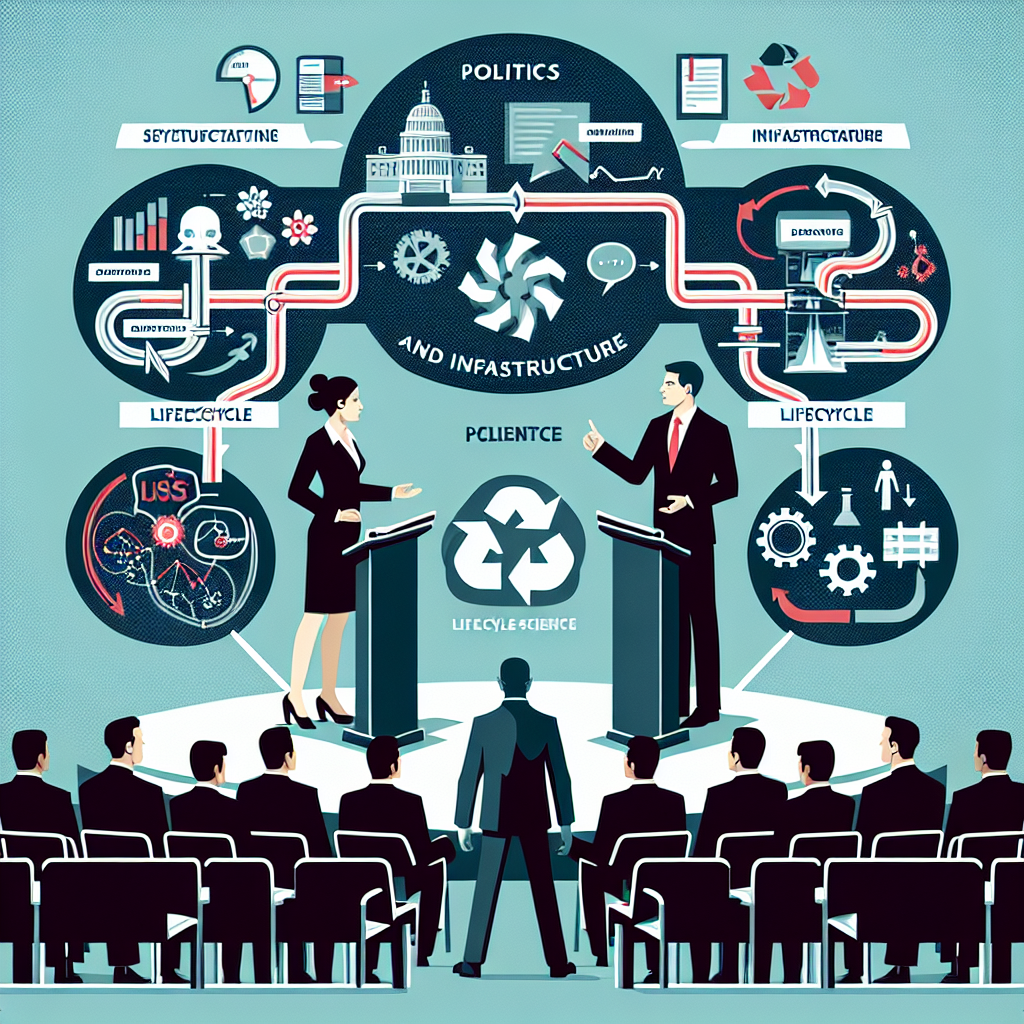
Understanding the Dynamics of Expanded Polystyrene (EPS) Initiatives: More About Waste Infrastructure and Politics Than Lifecycle Science
Introduction
In recent years, expanded polystyrene (EPS) has faced increasing scrutiny concerning its environmental impact. The discourse often emphasizes lifecycle science, yet it is essential to recognize that much of the conversation surrounding EPS is influenced by waste infrastructure and political dynamics. This report synthesizes market data, lifecycle performance metrics, and regulatory challenges associated with EPS and its competitors—paper and molded pulp.
1. Understanding EPS and Its Competitors
Expanded polystyrene is a versatile material known for its lightweight and insulating properties. However, its perception as an environmental hazard often overshadows its competitive lifecycle advantages. Recent studies indicate that EPS, when recycled, retains its quality for new product manufacturing, demonstrating lower lifecycle impacts compared to alternatives like paper and molded pulp.
EPS’s unique properties make it an enduring choice for various applications from packaging to construction. While critics often highlight its waste potential, data suggests that the environmental advantages of EPS can be realized through effective recycling practices. This context is crucial for understanding how EPS compares to other materials in terms of sustainability.
2. Lifecycle Assessment Insights
Research conducted using the PIQET LCA framework highlights that EPS outperforms molded pulp in key environmental categories such as carbon footprint and energy consumption. Specifically, EPS packaging has demonstrated significant performance metrics showcasing less environmental impact throughout its lifecycle. Furthermore, a substantial network of over 700 drop-off locations for EPS recycling across North America underscores the material’s established recycling infrastructure and its potential to become a circular economy solution.
The lifecycle assessment data starkly illustrates the competitive advantages of EPS over alternatives like paper and molded pulp. For instance, while molded pulp requires more resources in the production stage, EPS’s lightweight nature reduces transportation emissions, making it a more efficient option overall. By focusing on these comparative advantages, stakeholders can better advocate for policies that support recycling infrastructure development.
3. The Role of Waste Infrastructure
A robust recycling infrastructure is vital for the sustainability of any material. Current data shows that the EPS recycling rate is gradually improving, with participation rates projected in the mid-20% to low-30% range. This increase is attributed to enhanced public awareness and collaborative initiatives within industry sectors aimed at improving recovery systems.
Investment in waste management solutions not only benefits the environment but also boosts the economic prospects of industries utilizing EPS. The potential for EPS to be part of a circular economy hinges upon continuing advancements in waste infrastructure, including better collection, sorting, and processing technologies. Knowledge sharing and partnerships among stakeholders are necessary to transform EPS perceptions and bolster recycling efforts.
4. Regulatory Dynamics and Investor Sentiment
Regulatory challenges are increasingly shaping the EPS narrative. Various governmental bodies have initiated discussions around potential bans on EPS, influenced by shifting political sentiments regarding plastics. As anti-ESG sentiment rises, perceptions of sustainability are likely to change investor confidence, showcasing both risks and opportunities for the EPS industry.
A recent report indicates that the divergence in sustainability reporting standards could reduce investor interest in EPS-related ventures, as inconsistent ESG ratings might compromise trust in long-term investment viability. Therefore, it is imperative for EPS stakeholders to strengthen their advocacy efforts and communicate scientific data effectively to align with sustainability goals. By engaging with regulatory bodies, the EPS industry can seek to influence policy outcomes that favor innovative recycling solutions over blanket bans.
5. Recommendations for Content Creation
To communicate these insights effectively, the following recommendations are proposed:
- Educational Content: Develop blog posts and articles that elucidate the lifecycle advantages of EPS, particularly emphasizing the benefits of recycling and sustainable practices.
- Data Visualizations: Utilize infographics to clearly demonstrate lifecycle comparisons between EPS and its alternatives, showcasing key metrics like carbon emissions and energy savings.
- Engagement Initiatives: Incorporate stories from the recycling community and industry stakeholders to foster emotional connections and raise awareness about the benefits of EPS recycling.
- Policy Advocacy: Highlight the ongoing regulatory challenges and advocate for balanced discussions that consider both environmental impacts and the potential of recycling technologies.
- Market Analysis Updates: Regularly update stakeholders on trends in investor sentiment, focusing on the landscape of sustainability and how EPS fits within these dynamics.
Conclusion
In summary, expanded polystyrene’s environmental narrative is multifaceted, centering on waste infrastructure and political considerations rather than merely lifecycle science. By synthesizing current market trends and insights, the EPS industry has the potential to forge a path forward that aligns both with sustainability goals and investor expectations. It’s crucial for stakeholders to actively engage in conversation, ensuring that the facts surrounding EPS are clearly communicated and understood.