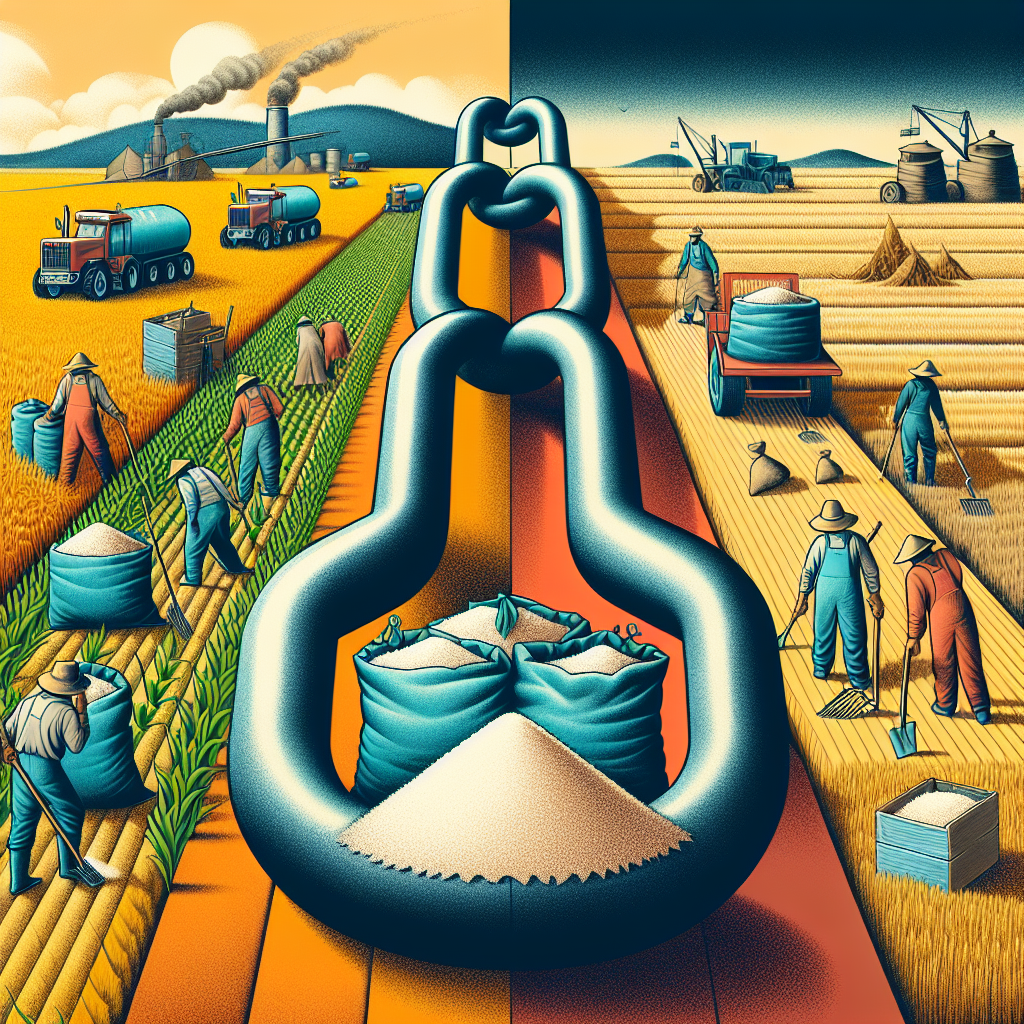
The Impact of Fertilizer Prices on Agriculture: A National Security Concern
Introduction
As we delve into the intricate relationship between fertilizer prices, agricultural productivity, and food security, it becomes evident that these elements are not just economic concerns; they intersect significantly with national security. This blog synthesizes current market data, highlights key trends, and outlines actionable insights to inform policy decisions, investment strategies, and content creation.
Understanding the ramifications of fluctuating fertilizer costs is critical for farmers, consumers, and policymakers alike. With global agricultural systems facing unprecedented pressures, including climate change and geopolitical tensions, the importance of food supply safety is paramount.
Current Trends in Fertilizer Prices
Recent data reveals a significant spike in global fertilizer prices due to various market disruptions. The World Bank reported a nearly 30% increase in fertilizer prices since the onset of 2022, primarily driven by supply chain disruptions caused by geopolitical tensions, particularly the war in Ukraine. Analysts suggest that these rising prices are likely to persist throughout 2023, exacerbating existing vulnerabilities within global agricultural markets.

Figure 1: Historical fertilizer price trends (2020-2023)
Supply Chain Vulnerabilities
The increase in fertilizer prices has exposed the acute vulnerabilities of import-dependent countries. Nations that rely heavily on imported fertilizers are particularly at risk of experiencing significant drops in agricultural output. The International Food Policy Research Institute (IFPRI) noted that high prices have raised fears of reduced fertilizer application, leading to lower crop production and elevated food prices. These circumstances not only threaten local agricultural economies but can also have ripple effects on global food supply chains.
Farmers may face tougher choices in managing their input costs, and the uncertainty surrounding availability could discourage investment in agricultural expansion. This compounds the risks of food insecurity in regions already struggling with poverty and resource scarcity, highlighting the urgent need for strategic responses.
Economic Implications for Farmers
Cost-Benefit Analysis
Farmers are facing critical decisions about whether to apply fertilizers at current prices. A cost-benefit analysis indicates that while fertilizers are essential for maximizing crop yields, the rising costs may lead some farmers to reduce application rates or switch to alternative inputs, such as manure. Research from the International Monetary Fund (IMF) shows that a 10% rise in fertilizer prices could lead to a significant reduction in yields, emphasizing the need for effective financial planning and risk management strategies.
Furthermore, the implications of decreased yields extend beyond the individual farmer, affecting local economies, job markets, and food availability. Decision-makers must recognize these interconnections in developing comprehensive agricultural policies.
Investment in Domestic Production
To mitigate these impacts, several governments, including the USDA, are advocating for increased domestic production of fertilizers. Efforts to partner with local farmers to develop innovative production methods could stabilize pricing and enhance national food security by reducing dependency on foreign imports.
Investments in domestic fertilizer production could also foster innovation in sustainable farming practices, further contributing to long-term agricultural resilience against market fluctuations. By promoting self-sufficiency, these strategies not only strengthen food security but also bolster national stability.
Food Security as a National Security Issue
Food security has emerged as a key component of national security strategies in many countries. The interdependence of fertilizer availability and food production directly affects the ability of nations to feed their populations. As food prices rise, social unrest and economic instability can ensue, leading to potential national security threats.
The volatility of both food and fertilizer pricing creates a precarious landscape for governments aiming to maintain stable food supplies. Policymakers must prioritize food security in their strategic planning to prevent crises that stem from agricultural vulnerabilities.
Actionable Insights for Content Creation
-
Highlight the Urgency: Emphasizing the critical link between rising fertilizer prices, food production, and national security can engage audiences concerned about food security. Using relatable case studies can make these issues resonate more closely with the general public.
-
Educate Stakeholders: Creating content that explains the economic implications for farmers can inform policymakers, investors, and consumers about the realities of agricultural economics. Use simplified language to ensure clarity among varied readerships.
-
Visual Data Representation: Utilize graphs and charts to illustrate trends in fertilizer pricing and their correlation with food security metrics, making complex data more accessible to readers. Visual aids can significantly enhance reader engagement and understanding.
-
Explore Solutions: Discuss innovative approaches to fertilizer production and agricultural resilience strategies to drive proactive discussions among stakeholders. Encourage collaborative opportunities for partnerships and technological advancements.
Conclusion
The intersection of fertilizer prices and food security is a pressing concern that transcends traditional agricultural economics. Understanding and addressing these economic implications while investing in domestic solutions will prove crucial. By focusing on these insights and trends, we can craft compelling narratives that resonate with audiences while highlighting the importance of addressing food security as a national security priority.