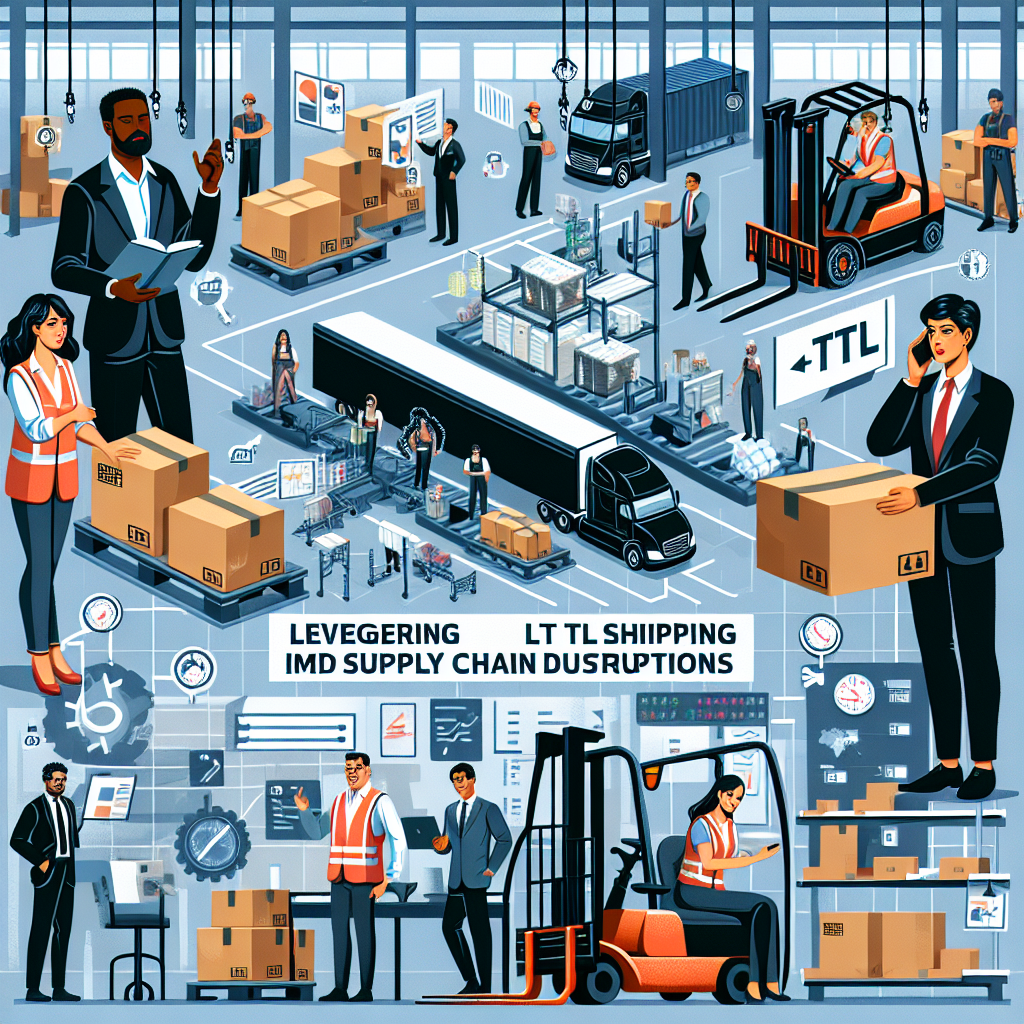
The Impact of Supply Chain Dislocations and Opportunities for LTL Shipping
As we progress through 2023, the logistics landscape stands at a crossroads, shaped by substantial disruptions that are both challenging and opportune for manufacturers. The Less-Than-Truckload (LTL) sector, in particular, has surfaced as a crucial alternative for moving goods efficiently amidst these ongoing supply chain dislocations. This blog will delve into the effects of current market dynamics, present insights on LTL shipping, and highlight actionable strategies for manufacturers.
Understanding Supply Chain Dislocations
Recent reports indicate that supply chain dislocations have become a defining characteristic of today’s economy, influenced by various factors such as geopolitical tensions, inflationary pressures, and labor shortages. These elements pose significant challenges for manufacturers, affecting their operational capacity and profitability.
Key Challenges
-
Demand Fluctuations: The LTL sector has faced a slowdown in shipments, reflective of broader economic conditions characterized by reduced consumer spending and a potential recession. Analysts report that while shipment volumes may decline, LTL pricing remains relatively resilient thanks to strategic pricing disciplines among carriers (Source).
-
Labor Shortages: Ongoing labor shortages, particularly within the trucking industry, complicate logistics operations, leading to increased delays in the loading and unloading of goods. This shortage emphasizes the need for agile shipping solutions from manufacturers, highlighting LTL shipping as a flexible option in times of constraint.
The Resilience of LTL Shipping
Despite significant challenges, LTL shipping offers several economic advantages for manufacturers navigating these tumultuous times:
Economic Advantages
-
Cost Optimization: LTL shipping provides manufacturers with a way to reduce overall shipping costs, particularly when demand fluctuates. This method allows for shipments to be consolidated with those of other shippers, lessening the need for dedicated truckloads (Source).
-
Improved Inventory Turnover: By employing LTL shipping, manufacturers can maintain a steady flow of inputs necessary for production, ensuring that inventory levels are managed effectively and can minimize the risks associated with supply chain interruptions (Source).
Technological Integration
Advancements in technology are redefining LTL operations, allowing manufacturers to enhance their logistics strategies:
-
Visibility Tools: Integrating systems that provide real-time shipment tracking and analytics enables better decision-making for inventory management and logistical efficiency. Tools such as RFID and GPS tracking give manufacturers a competitive edge.
-
Data Analytics: Utilizing data analytics to forecast demand and analyze shipping patterns can further optimize shipping routes and schedules, reducing lead times and costs associated with shipping delays.
Strategic Partnerships and Adaptability
In today’s unpredictable market, forming strategic partnerships with reliable LTL carriers is more critical than ever. Here are key strategies manufacturers should consider:
-
Capacity Management: Building relationships with multiple LTL carriers can enhance access to needed capacity while mitigating risks from service disruptions and unforeseen demand spikes.
-
Sustainable Practices: Emphasizing sustainable shipping practices—such as auditing packing methods to reduce waste—not only boosts efficiency but also aligns with the values of today’s consumers who favor environmentally responsible brands.
Agility in Operations
The crisis-oriented nature of the current supply chain landscape necessitates that manufacturers remain adaptable. LTL shipping solutions can offer flexibility, allowing companies to respond rapidly to changes in consumer demand (Source). Manufacturers should consider implementing agile methodologies to enhance their responsiveness.
Conclusion
The convergence of supply chain dislocations and the strengths of LTL shipping offers both challenges and opportunities for today’s manufacturers. By leveraging strategic partnerships, embracing advanced technologies, and committing to sustainable practices, businesses can navigate the complexities of the current logistics landscape effectively.
Manufacturers who remain proactive in optimizing their supply chains while utilizing LTL shipping can enhance their operational resilience, ensuring they are well-positioned for success even in the face of ongoing economic uncertainty.
Suggested Social Media Updates
-
LinkedIn Post: “Navigating supply chain dislocations? Our latest blog explores how manufacturers can leverage LTL shipping to optimize operations and save costs in 2023!”
-
Twitter Update: “In a time of supply chain challenges, LTL shipping emerges as a strategic ally for manufacturers. Discover how in our new blog post! #SupplyChain #LTLShipping”
-
Instagram Story: Graphic highlighting “Top 3 Benefits of LTL Shipping for Manufacturers” with engaging visuals and a call-to-action to read the full blog.